Susanna Lakely's avatar

Susanna Lakely

Normandale Environmental Chemistry

POINTS TOTAL

  • 0 TODAY
  • 0 THIS WEEK
  • 81 TOTAL

participant impact

  • UP TO
    1.0
    documentary
    watched
  • UP TO
    110
    minutes
    spent learning

Susanna's actions

Plastics 101

Know the Numbers

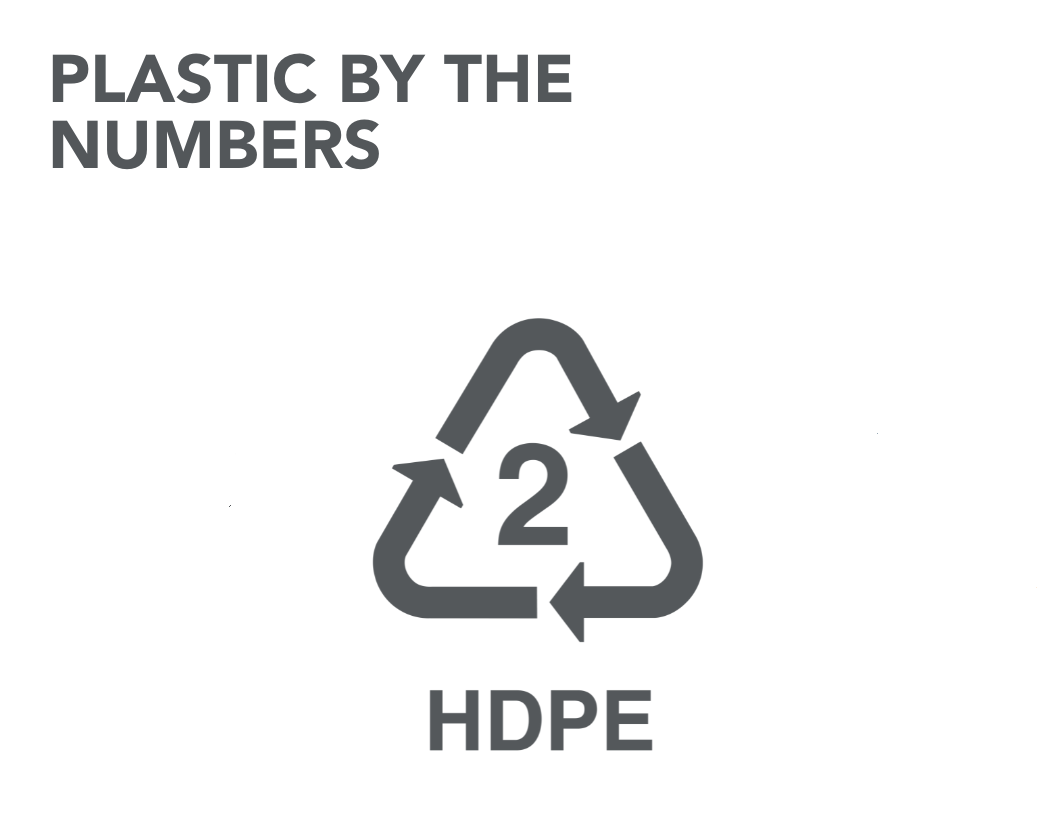
The numbers #1-7 on plastics tell us a lot and can help us be better recyclers. I will learn more about what the symbols on plastics mean.

COMPLETED
ONE-TIME ACTION

Plastics 101

Watch a Documentary

I will watch a documentary film about plastic waste with family and friends and talk about what we learned.

COMPLETED
ONE-TIME ACTION

Participant Feed


  • Susanna Lakely's avatar
    Susanna Lakely 2/06/2026 5:15 PM
    I read the article from The Plastic Action Center to learn about the different symbols used to identify recyclable plastics. I found this article helpful because I assumed that the Chasing Arrows symbol meant that a product was automatically made to be recycled. But what the symbol really means, or the number inside the chasing arrows does, is identify what type of plastic a product is made of. As discussed in the PBS documentary Plastic Wars, some plastics are not recyclable and recycled because of the material, or chemical composition, that’s used to make them. The resin identification code uses numbers 1-7 to identify which plastics are recyclable and recycled, verses plastics that are not recycled. The article explains how all plastics are recyclable but the process of recycling most of them can be difficult. This is part of the reason why many plastics end up in land fields.

  • REFLECTION QUESTION
    Plastics 101
    Which documentary did you choose to watch? What did you learn?

    Susanna Lakely's avatar
    Susanna Lakely 2/04/2026 6:44 PM


    I chose to watch the PBS Frontline documentary Plastic Wars to help me understand what happens to the plastics we recycle. I learned that only certain plastics, like water bottles and milk jugs, can actually be recycled in most places. A lot of other everyday use items, like food packaging, single use plastic bags, and Ziploc bags, can’t be recycled at all. The film also explains how plastics are transported and sorted at recycling plants, and it shows how complicated this process is.
    One of the most surprising things I learned is that the plastic industry has promoted recycling mainly to keep producing more plastic. The documentary shows that companies knew recycling wouldn’t solve the problem, but they encouraged it anyway so people would feel better about using plastic. This allowed them to avoid stricter rules and continue to make more products.

    The main message of the documentary is that recycling alone is not enough to fix the plastic crisis. To really help the environment, we need to reduce how much plastic we use.